Reports about a NASA satellite re-entering Earth’s atmosphere have recently become a trending topic, raising questions about space safety, orbital debris, and how space agencies manage aging satellites.
Satellites are essential for communication, weather monitoring, GPS navigation, and scientific research. However, like all technology, satellites have limited operational lifespans. When they reach the end of their missions, they either move to disposal orbits or eventually re-enter the Earth’s atmosphere.
This article explains what happens when a satellite crashes, why satellites fall back to Earth, and how NASA manages these events safely.
Why Satellites Fall Back to Earth
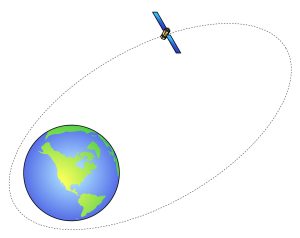
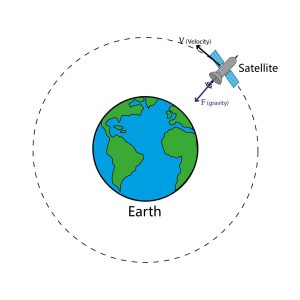
Satellites do not stay in orbit forever. Over time, several factors can cause their orbits to decay.
1. Atmospheric Drag
Even in low Earth orbit, there are small amounts of atmospheric particles. Over time, this drag slows satellites down, causing them to gradually lose altitude until they re-enter the atmosphere.
2. End of Mission Life
Many satellites are designed with a specific operational lifespan. After completing their missions, they may be intentionally guided into Earth’s atmosphere to prevent long-term space debris problems.
3. Technical Failures
Occasionally, satellites may experience:
- Power failures
- Communication loss
- Navigation system issues
If control is lost, the satellite may naturally re-enter the atmosphere over time.
What Happens When a Satellite Crashes?
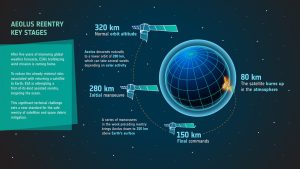
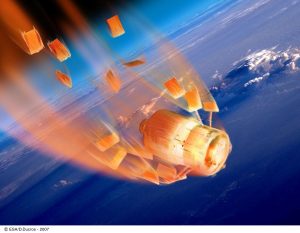
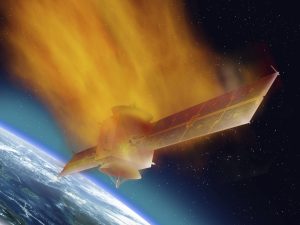
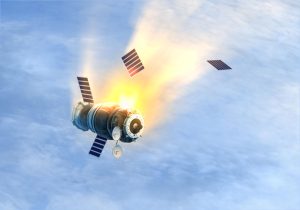
When a satellite re-enters Earth’s atmosphere, it usually burns up due to extreme heat caused by friction with air molecules. Temperatures during re-entry can reach thousands of degrees Celsius.
In most cases:
- Around 70–90% of the satellite burns up
- Small fragments may survive re-entry
- Remaining debris typically falls into oceans or uninhabited areas
Space agencies carefully track re-entry paths to minimize any risk to populated regions.
How NASA Manages Satellite Re-Entry Safety
NASA and other space agencies follow strict safety procedures when managing satellite re-entry.
Controlled Re-Entry
Whenever possible, satellites are guided toward remote ocean areas often called spacecraft cemeteries, such as regions of the South Pacific.
Tracking and Monitoring
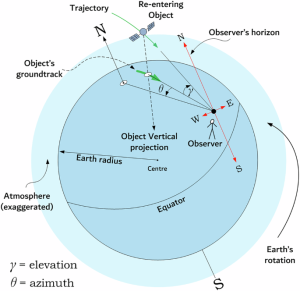
NASA uses ground radar and space tracking systems to monitor satellite positions and predict re-entry timing.
Design for Disintegration
Modern satellites are often designed to burn up more completely during re-entry to reduce debris risks.
These safety measures help ensure that satellite crashes rarely pose danger to people on the ground.
Growing Concern About Space Debris
As more countries and private companies launch satellites, the number of objects in orbit continues to grow. This has increased attention on space debris management.
Major concerns include:
- Collision risks between satellites
- Orbital congestion
- Long-term sustainability of space operations
Organizations worldwide are now developing strategies such as:
- Satellite deorbit plans
- Space debris removal technologies
- International space safety guidelines
These efforts aim to ensure safe and sustainable space activity in the future.
Why This Topic Is Trending Today
The topic of satellite crashes often trends when:
- A large satellite is scheduled for re-entry
- Space agencies release tracking updates
- Social media discussions increase awareness
- New space debris concerns emerge
Because space technology is becoming more common in everyday life, public interest in satellite safety continues to grow.
Conclusion
NASA satellite re-entry events are a normal part of space operations and are carefully managed to ensure safety. Most satellites burn up harmlessly during atmospheric re-entry, and space agencies use advanced tracking systems to minimize any risks.
As space activity continues to expand, managing satellite lifecycles and space debris will remain a critical priority for NASA and the global space community.
Understanding how satellites operate—and eventually return to Earth—helps explain why these events are part of responsible space exploration.