


Oil prices are one of the most closely watched indicators in the global economy. As of today in 2026, oil markets are experiencing significant volatility driven by geopolitical tensions, supply disruptions, and shifting demand patterns.
Crude oil is essential for transportation, manufacturing, and energy production worldwide. Because of its importance, fluctuations in oil prices can influence inflation, global trade, and financial markets.
In this article, we explore current oil price trends, the key factors driving market movements, and the future outlook for the global oil industry.
Oil Prices Today: Current Market Situation
Recent global developments have pushed oil prices sharply higher. Crude oil prices recently surged above $100 per barrel, reaching levels not seen since 2022.
In fact, Brent crude rose above $108 per barrel and West Texas Intermediate (WTI) also surpassed $100, largely due to geopolitical tensions that disrupted global oil supply.
Some market reports indicate that crude oil prices increased more than 18% in a single day, reflecting strong reactions from traders and investors to supply concerns.
This sudden increase has also affected global financial markets, as energy prices play a major role in determining economic stability and inflation.
Key Factors Driving Oil Price Trends
1. Geopolitical Tensions

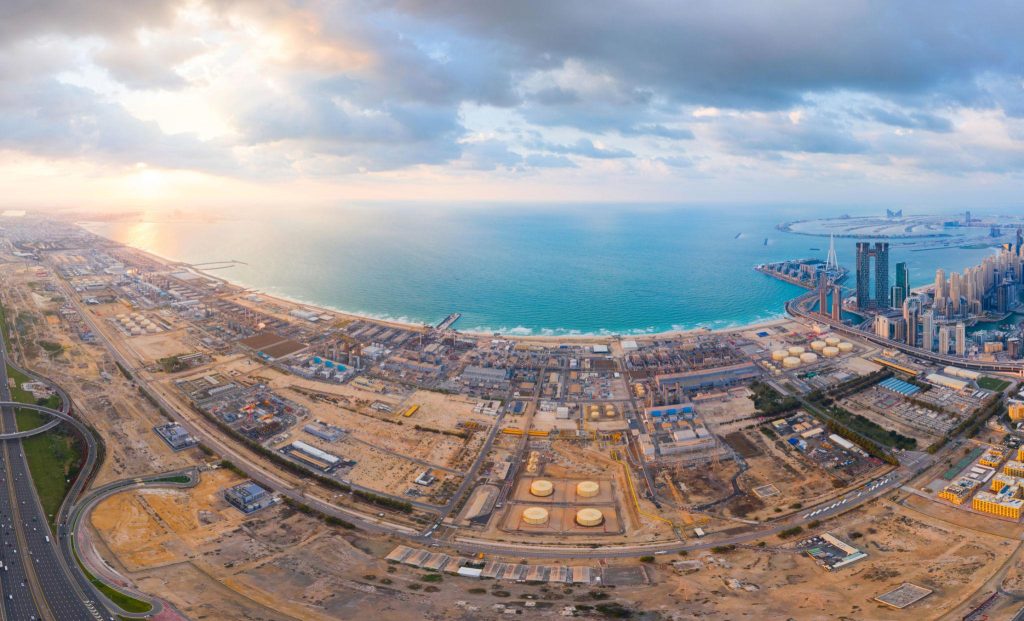

One of the biggest factors affecting oil prices today is geopolitical conflict in major oil-producing regions. Recent tensions in the Middle East have disrupted supply chains and created uncertainty in global markets.
The Strait of Hormuz, a critical shipping route for global oil exports, has experienced disruptions, affecting a significant portion of the world’s oil supply.
Because around 20% of global oil passes through this route, any instability in the region can immediately impact global oil prices.
2. Global Supply and Production
Oil supply levels are another key factor influencing price trends. According to energy market reports, global oil supply can fluctuate due to production cuts, weather disruptions, or geopolitical events.
The International Energy Agency estimates that global oil demand will increase by around 850,000 barrels per day in 2026, largely driven by economic growth in emerging markets.
At the same time, global oil production is also expected to increase, which could create long-term supply surpluses depending on how demand evolves.
3. Market Demand and Economic Growth
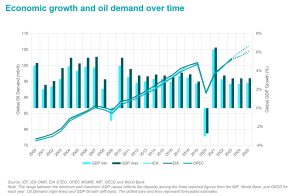

Oil demand is strongly linked to global economic activity. When economies grow, industries require more energy, which increases oil consumption.
Emerging economies such as China and India are expected to drive most of the growth in oil demand over the coming years.
However, energy transition policies and renewable energy development may gradually reduce long-term reliance on fossil fuels.
Oil Price Forecast for 2026
Although oil prices have surged recently due to geopolitical events, many analysts believe prices could stabilize over the long term.
Some forecasts suggest that Brent crude could average around $58 per barrel in 2026, assuming global production increases and supply stabilizes.
However, unexpected geopolitical conflicts or production cuts could push prices higher again.
Market experts warn that oil prices may remain volatile as global energy markets adapt to changing demand, supply shifts, and energy transition policies.
Global Impact of Rising
Higher oil prices can have widespread effects on the global economy.
Some of the most significant impacts include:
- Higher fuel costs for transportation and logistics
- Rising inflation in many countries
- Increased production costs for industries
- Volatility in financial markets
Because energy is essential for economic activity, sustained increases in can slow economic growth while increasing inflationary pressure.
Conclusion
Oil prices today reflect a complex combination of geopolitical tensions, supply dynamics, and global demand trends. The recent surge above $100 per barrel highlights how quickly energy markets can react to global events.
While long-term forecasts suggest prices may stabilize as production increases, the oil market will likely remain volatile in the near future. Investors, governments, and businesses will continue monitoring these trends closely as energy markets evolve.
Understanding oil price movements is crucial for navigating the global economy, as energy costs influence everything from transportation and manufacturing to financial markets and consumer prices.


